

This was the first week of my project to cook every recipe in The Wok. To keep things from becoming too repetitive, I cooked a few different dishes from different parts of the book. This allowed me to have a couple of mains as well as a few side dishes. While the prep takes a while, it’s pretty economical and efficient to make an assortment of sides that are regionally popular alongside the main. For example, this week I made Sichuan blistered green beans alongside Kung Pao shrimp. While the flavor is different due to the main ingredient of each dish, many of the same spices and aromatics are used across both recipes. The consolidated prep and quick cook time of stir-frying means you are able to get an assortment of dishes out pretty easily. Without multiple woks, I did have to use the oven to keep things warm while I cooked the other dishes.
Up this week was:
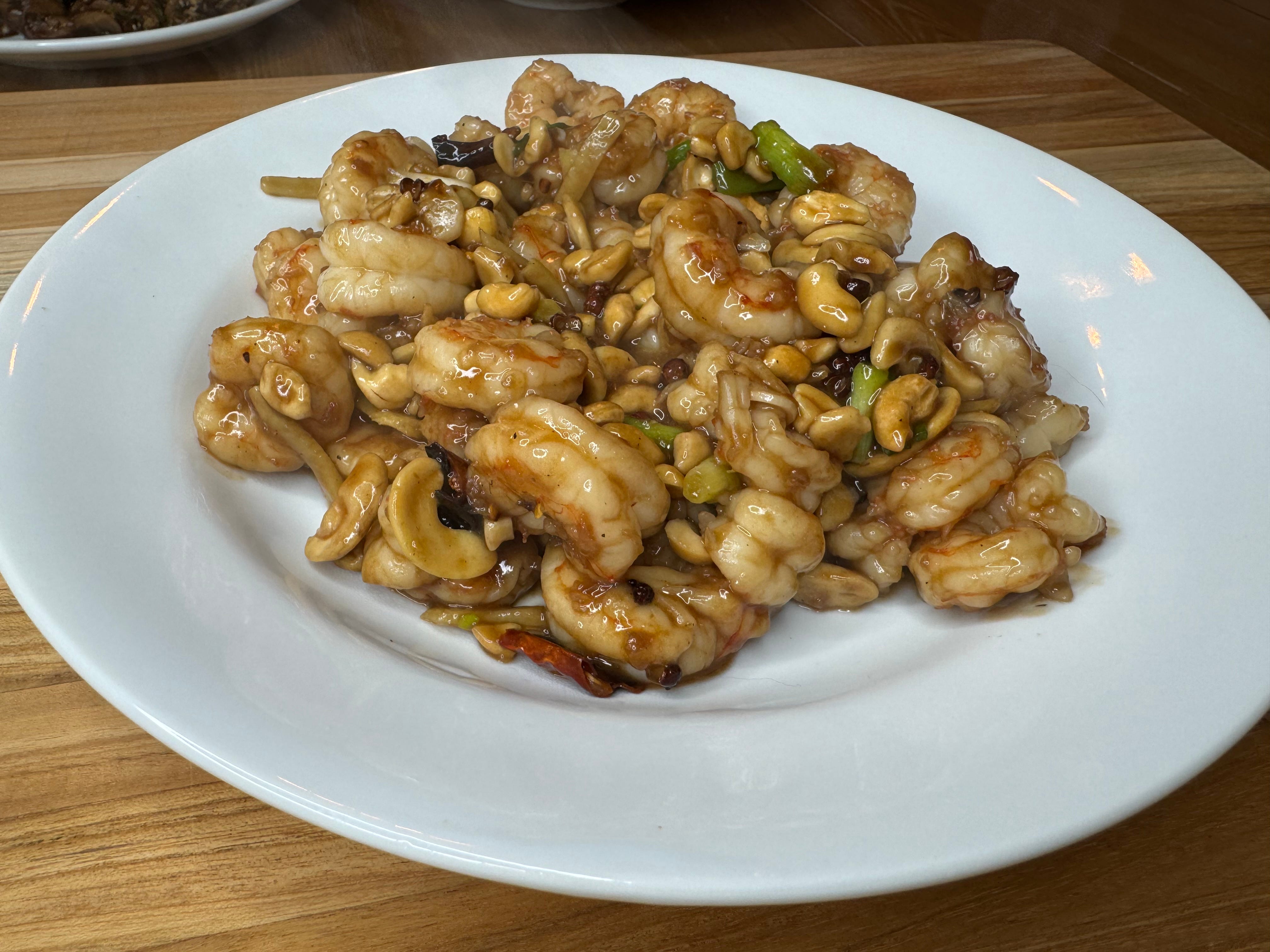
Kung Pao (Gong Bao) Shrimp – Seafood, pg. 147
Sichuan Blistered Green Beans – Vegetables, pg. 181
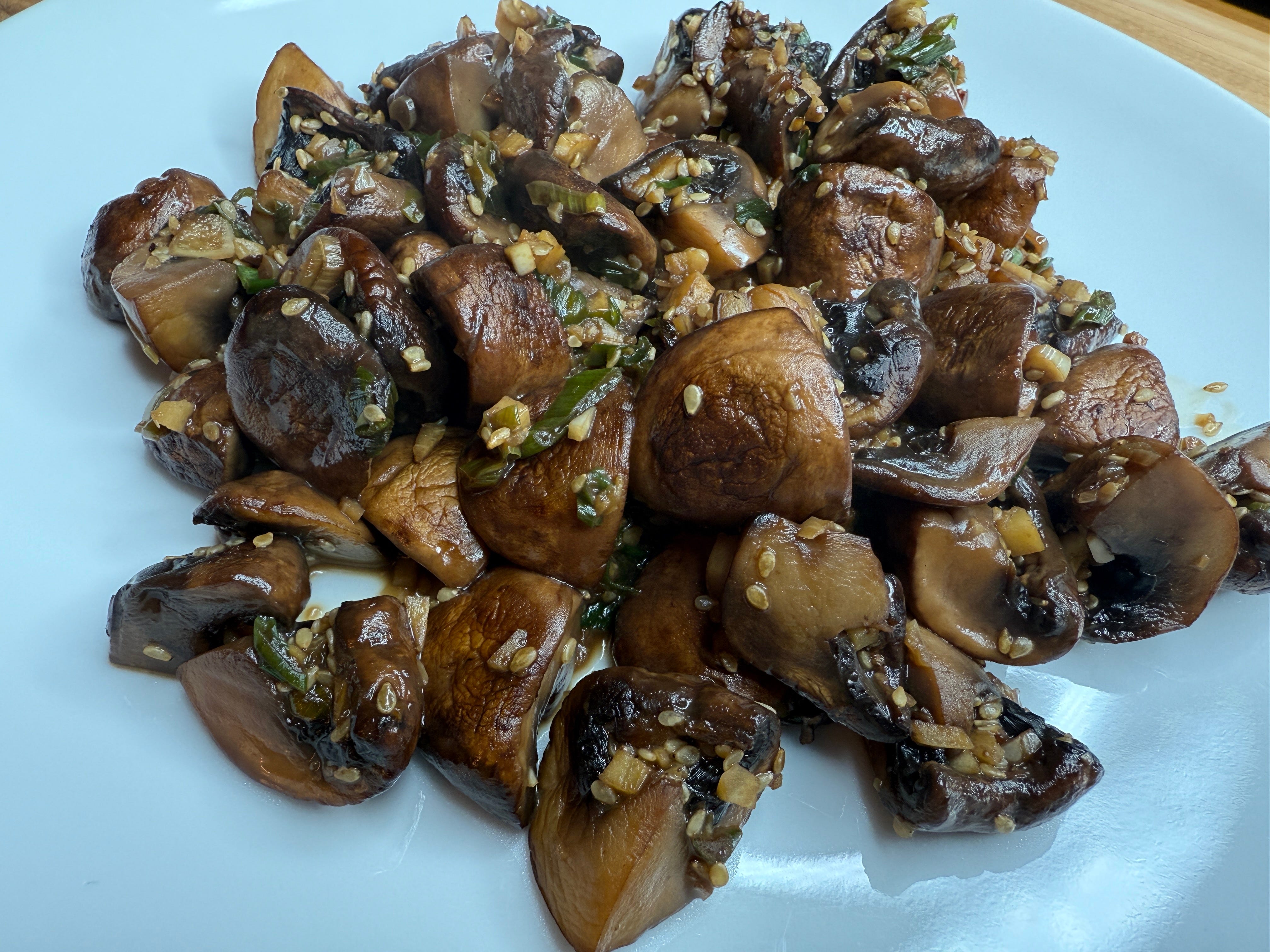
Soy Glazed Mushrooms – Vegetables, pg. 183
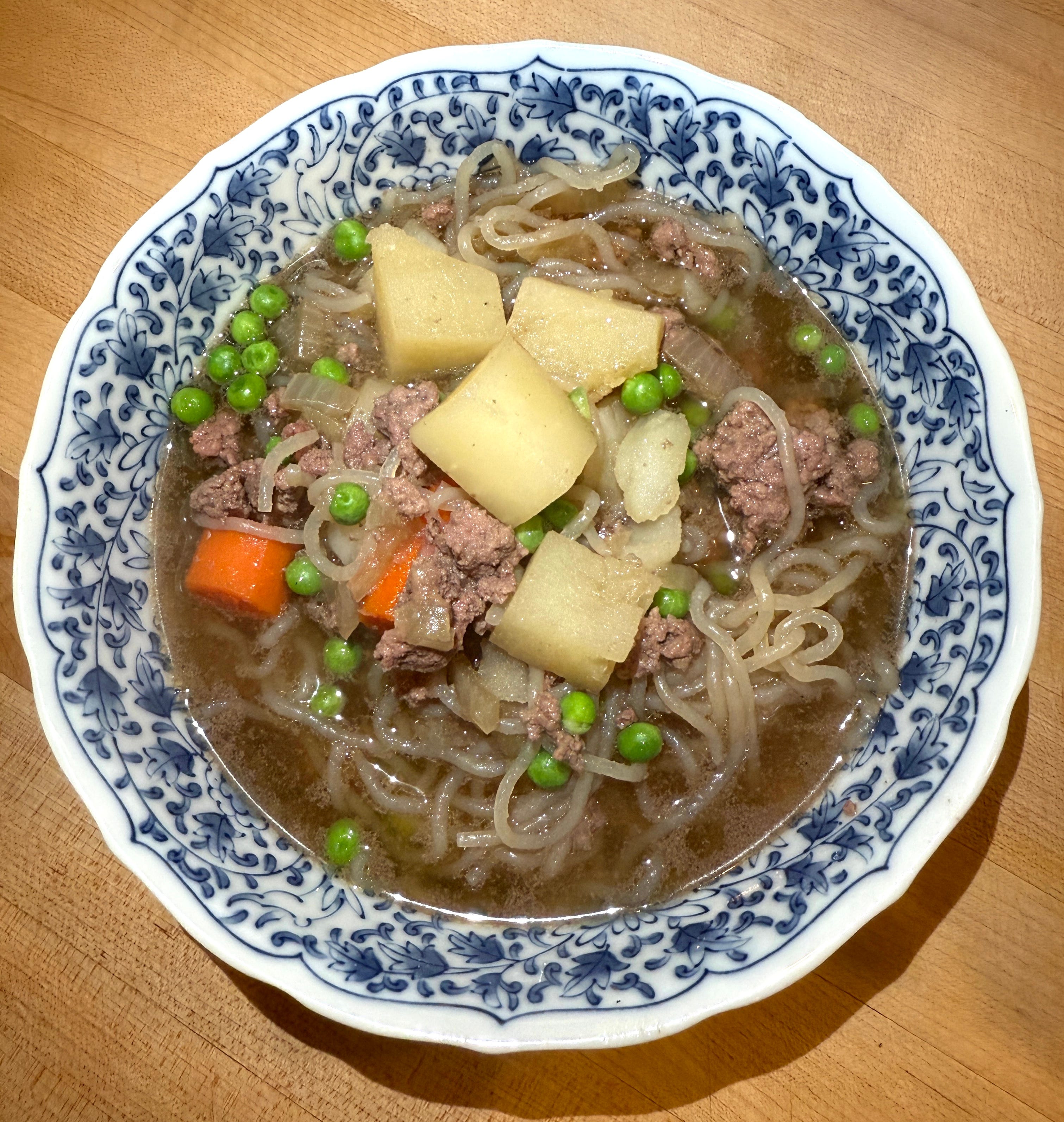
Japanese Beef and Potato Stew – Simmering and Braising, pg. 532
One thing I really love about this cookbook is that the author, Kenji Lopez-Alt, has thoroughly researched and tested every recipe. The instructions often include ways to mimic the results you would get from a professional, high-heat wok in your home kitchen. The recipe where this stood out most to me was the Sichuan Blistered Green Beans. It is really difficult to actually blister the green beans and cook them through in a home wok. To fix this, he has you start by tossing the green beans in oil and salt and giving them time under the broiler. The actual stir-frying of the green beans is quick, because they are basically partially cooked through.
Another interesting aspect of this dish was the use of a substitute for yá cài, preserved mustard greens. My local H Mart does not carry them, and I didn’t have time to go to 99 Ranch, so I went with Kenji’s recommended mix of sauerkraut and capers. No kidding—it works perfectly fine as a substitute, especially if you live in an area where you can’t get real yá cài.
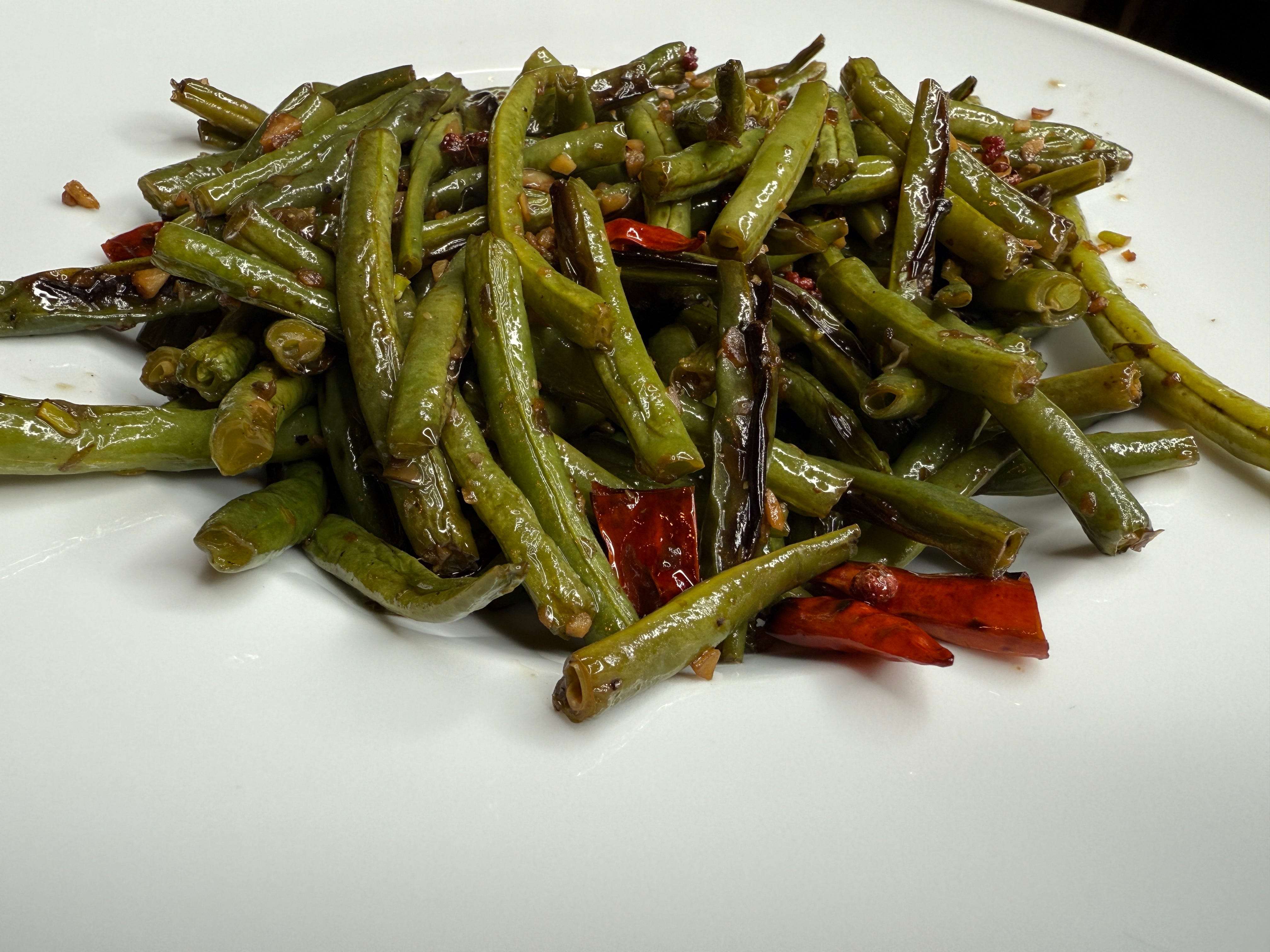
I also made the Soy Glazed Mushrooms, as I had bought a huge pack of them at Costco a couple of days before. These were fine and made a nice side, but nothing to write home about.
Finally, in that first meal was something I could eat every week: Kung Pao Shrimp. Kung Pao is versatile, as you can easily use whatever protein you want, including tofu. I went with cashews instead of peanuts and couldn’t have been happier with the results. The shrimp were perfectly cooked, and that little bit of má là from the Sichuan peppercorns, along with the heat from the chiles, was great. Next time I may add a touch more heat, but with shrimp it would be really easy to overpower the flavor.
According to Wikipedia, the origins of the dish are a little unclear; however, it is believed to be named after the Qing dynasty official and governor of Sichuan province, Ding Baozhen (1820–1886). His title was Taizi Shaobao, one of the Gongbao, or Palace Guardians. The dish was first created as a chicken dish, which is still the most popular version today. In Chinese, the dish is called Gōngbǎo jīdīng, with the “ding” being a reference to his surname. In a rather punny twist, the word ding can also refer to small cubes, such as the shape of the chicken in this dish. There is also a variation of this dish from the neighboring Guizhou province, and some records suggest the dish may have originated there. Regardless, I’m happy that Kung Pao became something so popular in the U.S. It’s inexpensive, quick, and delicious.
The last dish I made was a Japanese Beef and Potato Stew. The Wok is spectacular for a number of reasons, especially for not limiting the food to just Chinese cuisine. I’m a huge fan of Morimoto’s Japanese Chicken and Dumpling Soup, and this recipe brings many of the same flavors while being quite different at the same time—and it comes together much more quickly. I used Hondashi rather than making my own dashi broth. I know, I know—but it’s delicious, time-saving, and cost-effective compared to buying kombu and bonito to make it from scratch. For a weeknight soup, just use the Hondashi. Save the real thing for the weekend when you have more time. The noodles in this dish are shirataki noodles, which contain no digestible calories. They add a lot of great texture and slurpability to the dish. I will most definitely be making this again.
That was it for this week. We had a ton of leftovers and some salads that we didn’t want to waste, so I only made 4 of the 180 main recipes in the book. That got me to 2.23% completion. I’m going to have to step it up if I want to get through this before summer.