

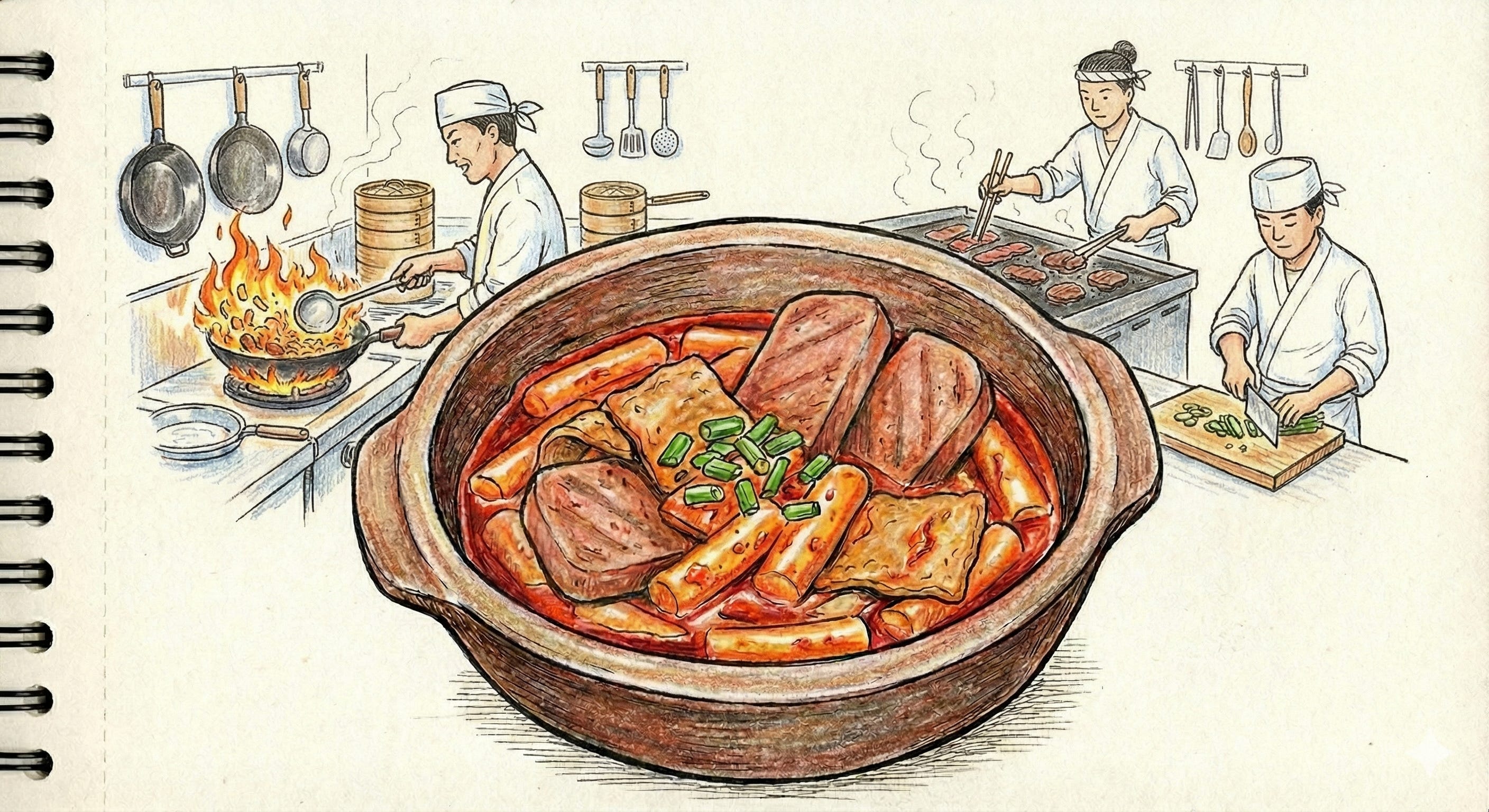
I’ll admit that one of my guilty pleasures is cooking competition shows. I’m not a fan of the ones built around backstabbing, mean-spirited hosts (I’m looking at you, Gordon Ramsay), or contestants scheming against each other. But there are some real gems out there. The Great British Bake Off, Top Chef, Morimoto’s Sushi Master, and Culinary Class Wars are among my favorites. I just finished binging season two of Culinary Class Wars, and it was epic. As someone who cooks primarily Asian dishes, I’m thrilled to see more shows from that part of the world being made available to Western audiences.
I didn’t plan it this way, but for whatever reason this also ended up being a very Korean-focused cooking week.
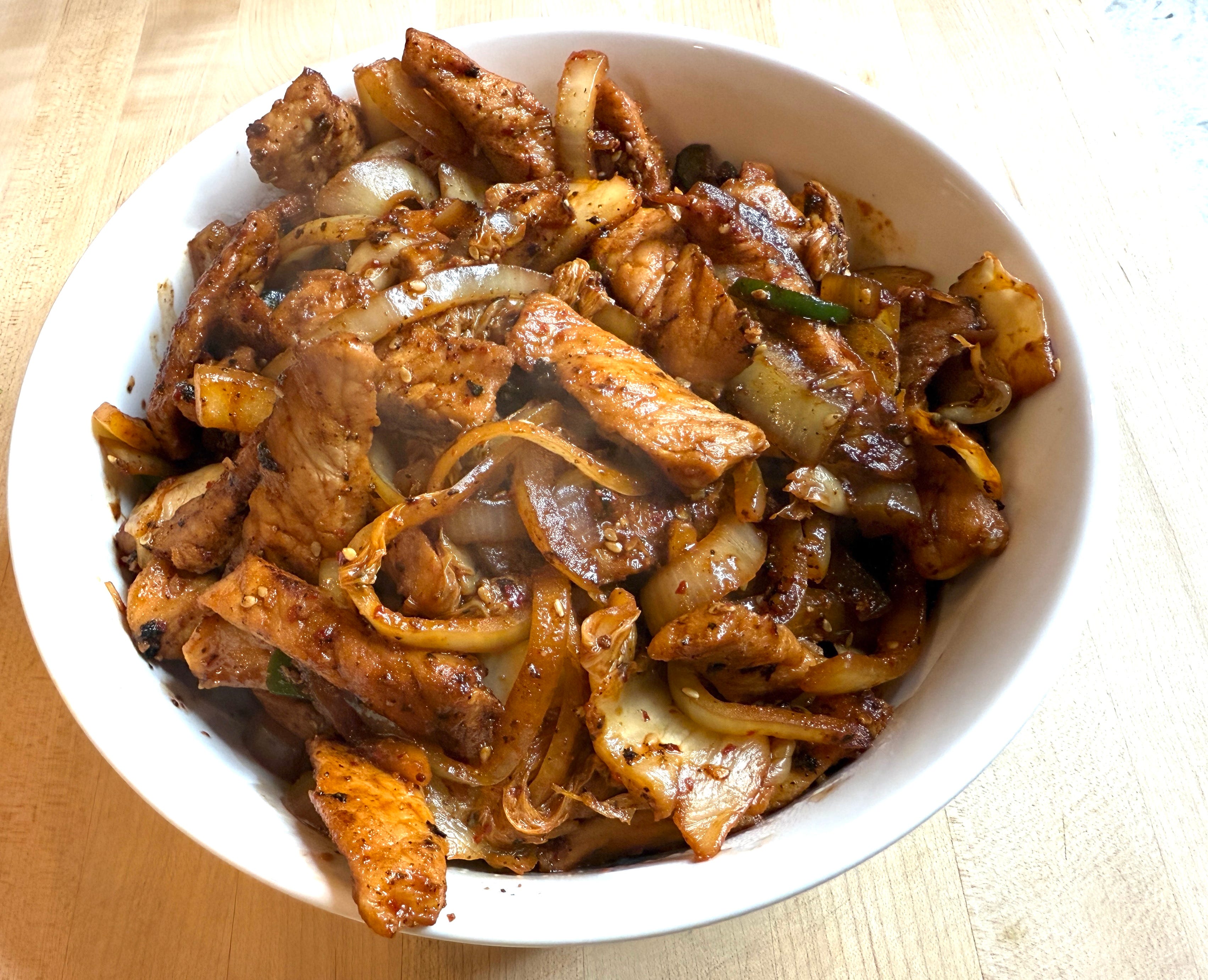
The first dish I made was Stir-Fried Kimchi Pork (pg. 91 in The Wok). Maybe I was just in the right mood, but this one really hit. The slight funk from the kimchi, the umami richness of the pork, and the heat from the kimchi and black pepper were perfectly balanced. I ate this for lunch almost all week, and even now I find myself craving it.
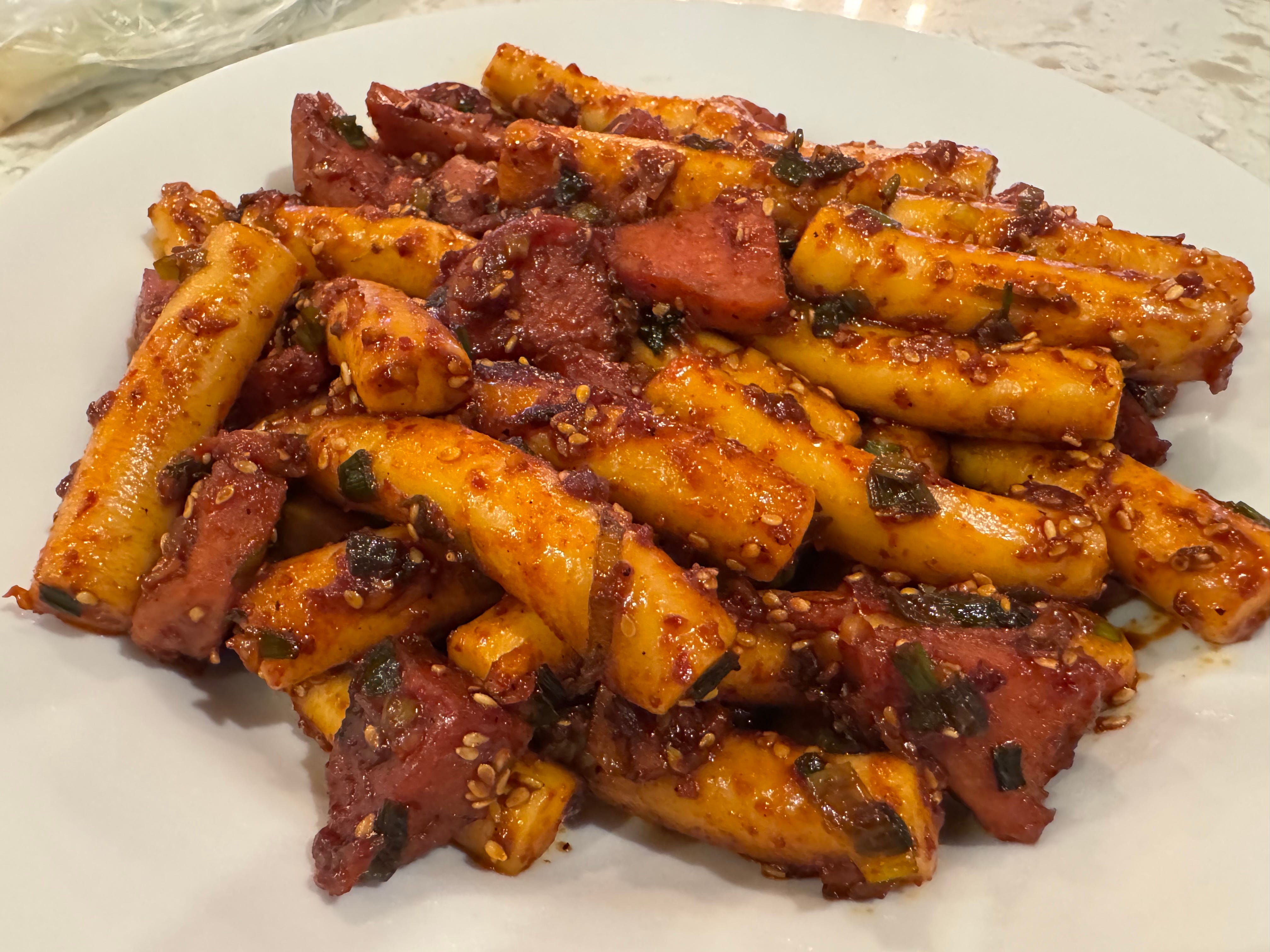
Next up was Gireum Tteokbokki (pg. 212), with one small modification. The recipe doesn’t call for Spam, but I wanted to turn this into more of a meal than a snack. As expected, it worked perfectly. I sliced and stir-fried the Spam first, removed it from the wok, then followed the recipe as written, adding the Spam back in near the end when the sauce went in. This is certainly not the healthiest dish in the world, but it makes an incredible breakfast the next day topped with a fried egg.
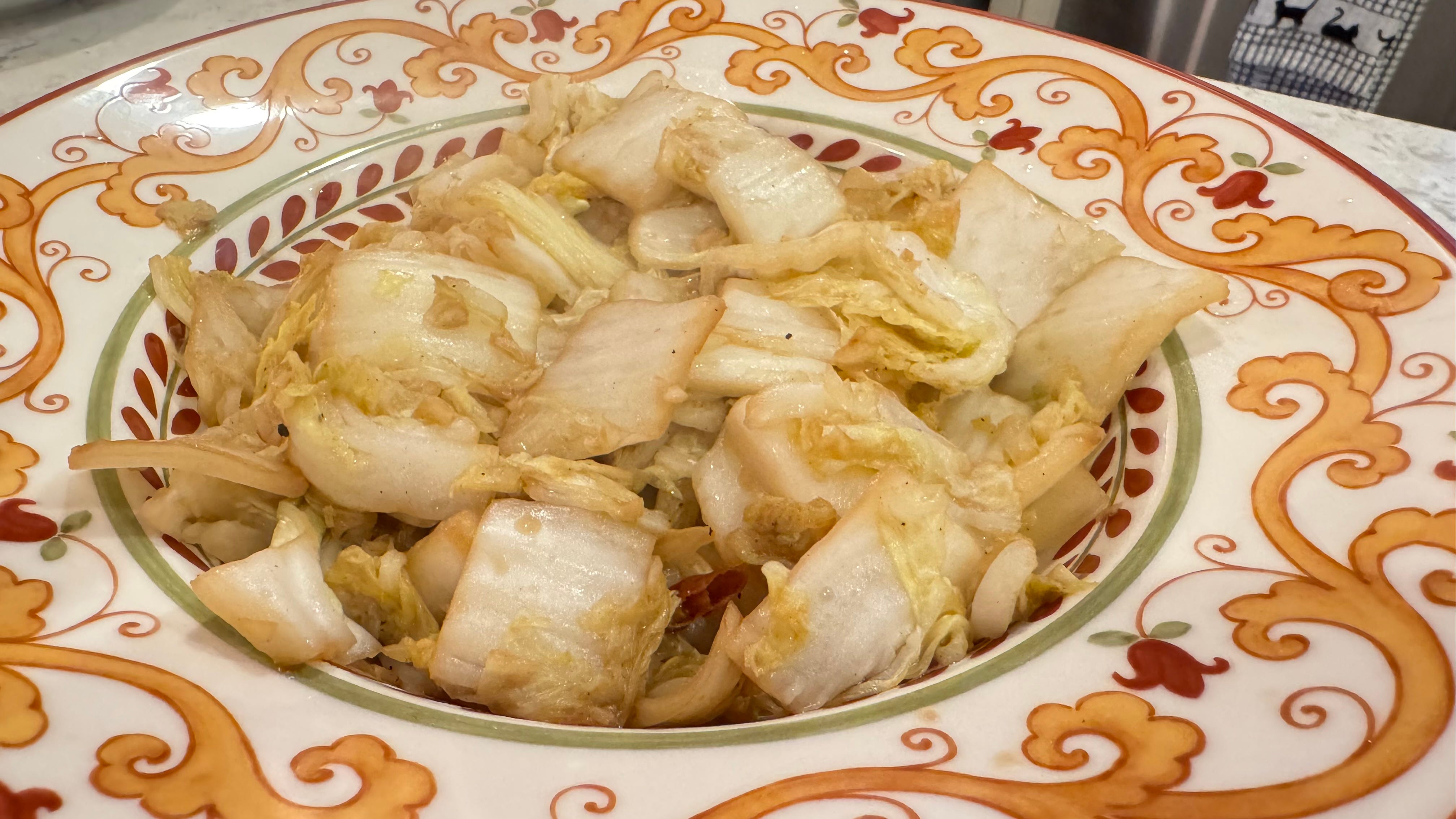
I also picked up some napa cabbage and made Stir-Fried Napa Cabbage with Vinegar and Chiles (pg. 204). Like nearly every recipe in this book so far, it was really good. That said, it didn’t pair especially well with either the kimchi pork or the tteokbokki, so it mostly sat in the fridge for a few days until I could serve it alongside other dishes. It does work nicely with rice and an egg as a simple breakfast. I’m not sure how often I’ll make this one, but if you like cabbage, you’ll enjoy it.
I ended the week with Sweet and Sour Chicken (pg. 75). It never fails to amaze me how much of a difference velveting makes in the final texture of meat. The chicken was incredibly tender. The combination of peppers, chicken, pineapple, and cashews creates a wild mix of flavors and textures—umami, sweet, and sour all at once. It was so good that I had leftovers for breakfast this morning. I added a bit of sambal oelek for some extra heat, and next time I’ll be adding it to the whole batch. There will definitely be a next time.


My takeaway lessons from this week:
Velveting is absolutely worth the effort. Do not skip this step.
Be careful when planning multiple dishes. Leftovers are inevitable, and strong dishes like tteokbokki don’t always pair well with milder sides.
Don’t try to cook too many dishes at once. By the end of the week, you may find yourself forcing meals just to avoid wasting food, which can lead to some strange combinations. When planning for the week, cook the most perishable dishes early and let sturdier ones carry into the weekend or the following week.
Four more dishes from The Wok completed. I’m officially 4.47% of the way through the book.
Next week is going to be a little bit more all over the place, but tonight we’re doing make your own Temaki hand rolls. Now... off to the Japanese grocery store.